AI workflow discovery and prioritization
We audit where your team’s hours actually go, then rank automation candidates by hours saved and risk, so the first build pays for itself.
 Simplufy Book a call
 AI Implementation
Practical AI workflows and agent orchestration for follow-up, reporting, research, content production, intake, operations, and internal handoffs.
Best when your team spends hours each week on intake, follow-up drafting, reporting, or research that follows the same pattern every time.
The problem
Most AI projects in service businesses fail for predictable reasons: a tool gets bolted on for novelty, it reads from messy data, nobody owns it, and the first bad output kills the team’s trust. The wins come from the opposite approach: pick the repetitive work that drains the most hours, automate it with human checkpoints, and connect it to the systems the team already uses.
What is included
Scope stays concrete. These are the four components every AI Implementation build is judged against.
We audit where your team’s hours actually go, then rank automation candidates by hours saved and risk, so the first build pays for itself.
Agents that draft weekly performance summaries, compile competitor and prospect research, and prep job documentation, work that is necessary but should not consume a person’s day.
AI drafting follow-up messages, qualifying and routing inbound leads, and producing first-draft content, all inside the CRM and ad systems you already run.
Every automated output passes a defined approval gate before it reaches a customer, so the system earns trust instead of demanding it.
How we approach it
The sequence matters: diagnose before building, build before scaling.
We map repetitive workflows, score them by hours saved, error cost, and data readiness, and pick a first build with a clear owner and a measurable payoff.
The workflow ships with human checkpoints at every customer-facing step, clean source data, and an owner who can pause it in one click.
We track hours saved and error rates, tighten what wobbles, and only then extend automation to the next workflow on the list.

Real output
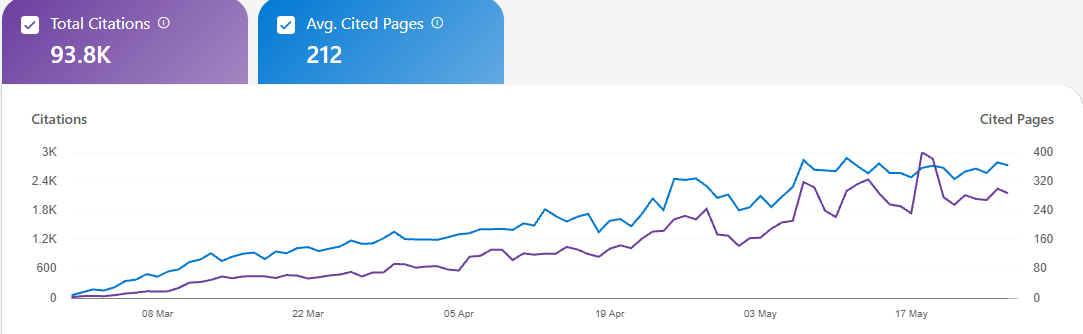
Auto Monitor’s content was built to be machine-readable from the first page: clear entities, structured data, defined sources. The result is 93,800 citations across AI engines: the same structural discipline we bring to agent workflows.
Industries fit
The playbook changes by buyer. These are the industries where this service most often turns into booked opportunities fastest.
What makes this different
Automations plug into your existing CRM, ad accounts, and intake, not a new tool the team has to learn.
Every customer-facing output has a human approval gate, so nothing fragile ships unreviewed.
Success is measured in hours saved and faster speed-to-lead, not in features demoed.
Diagnosis
If any of these sound familiar, the first audit will find them quickly.
Questions
Practical AI usually starts with reporting summaries, lead intake support, research, content drafting, CRM task assistance, proposal prep, knowledge-base retrieval, and internal handoff workflows. The best first use cases remove repetitive work without giving an unsupervised system control over sensitive decisions.
Simplufy designs AI systems with clear inputs, narrow tasks, human review points, approval steps, logging, and fallback paths. The goal is useful leverage, not a fragile black box that produces work nobody can trust.
Yes, when the workflow is designed carefully. AI can summarize lead context, draft follow-up, prepare reports, support content production, research accounts, and help coordinate handoffs between tools, but it should be orchestrated around real business rules.
Book a strategy call
Tell us the repetitive work slowing the team down. We will identify the safest high-leverage AI workflow to build first.