High-intent keyword and search term strategy
Campaigns built around the searches that mean money now, with negative keywords screening out job seekers, DIY research, and bargain hunters every week.
 Simplufy Book a call
 Google PPC Management
Google Search and Performance Max management for service companies that need calls, forms, estimates, consultations, appointments, and enrollment inquiries from buyers already searching.
Best when buyers are already searching for what you sell and you need those searches to become calls and estimate requests.
The problem
Most Google Ads accounts leak money the same way: broad match queries nobody screened, every ad pointing at the homepage, and conversion tracking that counts a page view as a win. The campaign is judged on clicks because nothing connects the click to a booked opportunity. That is a system problem, not a bidding problem.
What is included
Scope stays concrete. These are the four components every Google PPC build is judged against.
Campaigns built around the searches that mean money now, with negative keywords screening out job seekers, DIY research, and bargain hunters every week.
Someone searching "water heater replacement" lands on a water heater page, not a homepage. Message match is the cheapest conversion lift in paid search.
Calls, forms, and bookings are tracked into the CRM with the keyword attached, so optimization targets booked jobs instead of form fills.
Weekly query reviews, bid adjustments, and budget shifts toward the campaigns producing booked opportunities, with a written log of what changed and why.
How we approach it
The sequence matters: diagnose before building, build before scaling.
We map every service to the real searches behind it, separate emergency intent from research intent, and structure campaigns so budget follows buying signals.
Each ad group gets a destination that repeats the search back to the buyer with proof, pricing signals, and one clear next step.
Conversions are defined as CRM opportunities, not page events, so the account optimizes toward estimates and booked calls from the first month.

Real account
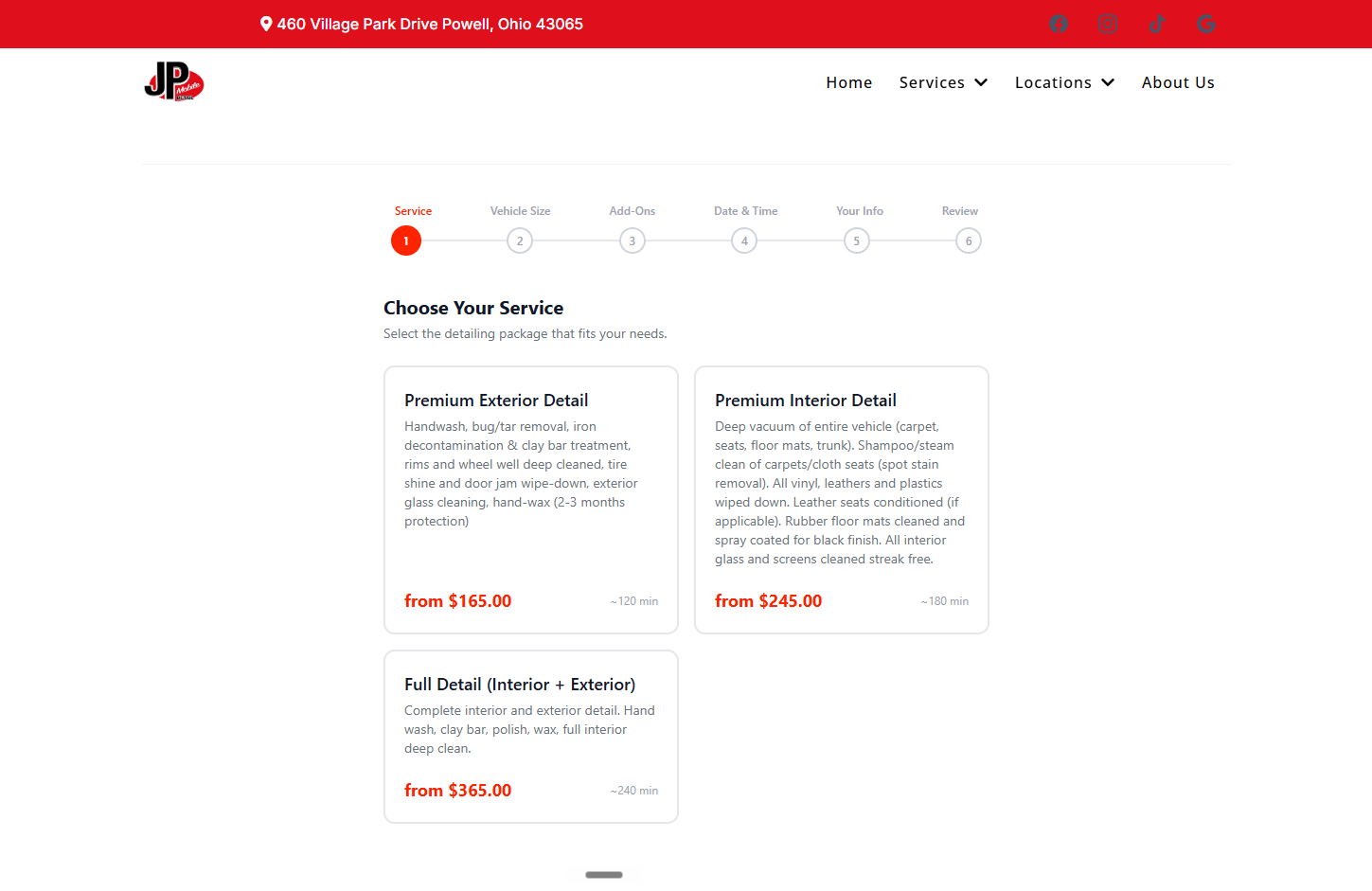
JP Mobile Detail routed high-intent local searches into a frictionless booking engine: 1,087 clicks, 31 primary bookings, and a $15.51 cost per booking. The account optimized toward bookings, not clicks.
Industries fit
The playbook changes by buyer. These are the industries where this service most often turns into booked opportunities fastest.
What makes this different
Optimization targets booked opportunities in the CRM, not cost per lead in the ads dashboard.
Landing pages, tracking, and follow-up are part of the engagement, because ads cannot outperform a broken destination.
Monthly reporting reads in plain language: spend, booked opportunities, and what changes next.
Diagnosis
If any of these sound familiar, the first audit will find them quickly.
Questions
Google PPC captures people already searching for a service, location, problem, or company. The work is less about creating demand from scratch and more about matching search intent with the right ad, landing page, offer, tracking, and follow-up path.
Campaigns often fail because traffic lands on a weak page, calls are not tracked, forms do not route into a CRM, negative keywords are ignored, or the offer does not match the search. Simplufy reviews the entire path from query to booked opportunity instead of only changing bids.
That is the goal. Google PPC management should connect conversion tracking, call tracking, form submissions, CRM stages, and sales feedback so budget decisions are based on lead quality and booked opportunities instead of surface-level traffic metrics.
Book a strategy call
Bring the account, landing pages, and conversion data. We will identify where spend is leaking before recommending a new campaign structure.